
The United Kingdom boasts an illustrious and enduring saga in the realm of textile manufacturing,
persisting through today, despite the challenges of economic strain and international rivalry.
This discourse delves into the assorted textiles that continue to be crafted within the UK,
emphasizing their distinct traits, methodologies of creation, and diverse applications.
Harris Tweed: The Quintessence of British Textile Heritage
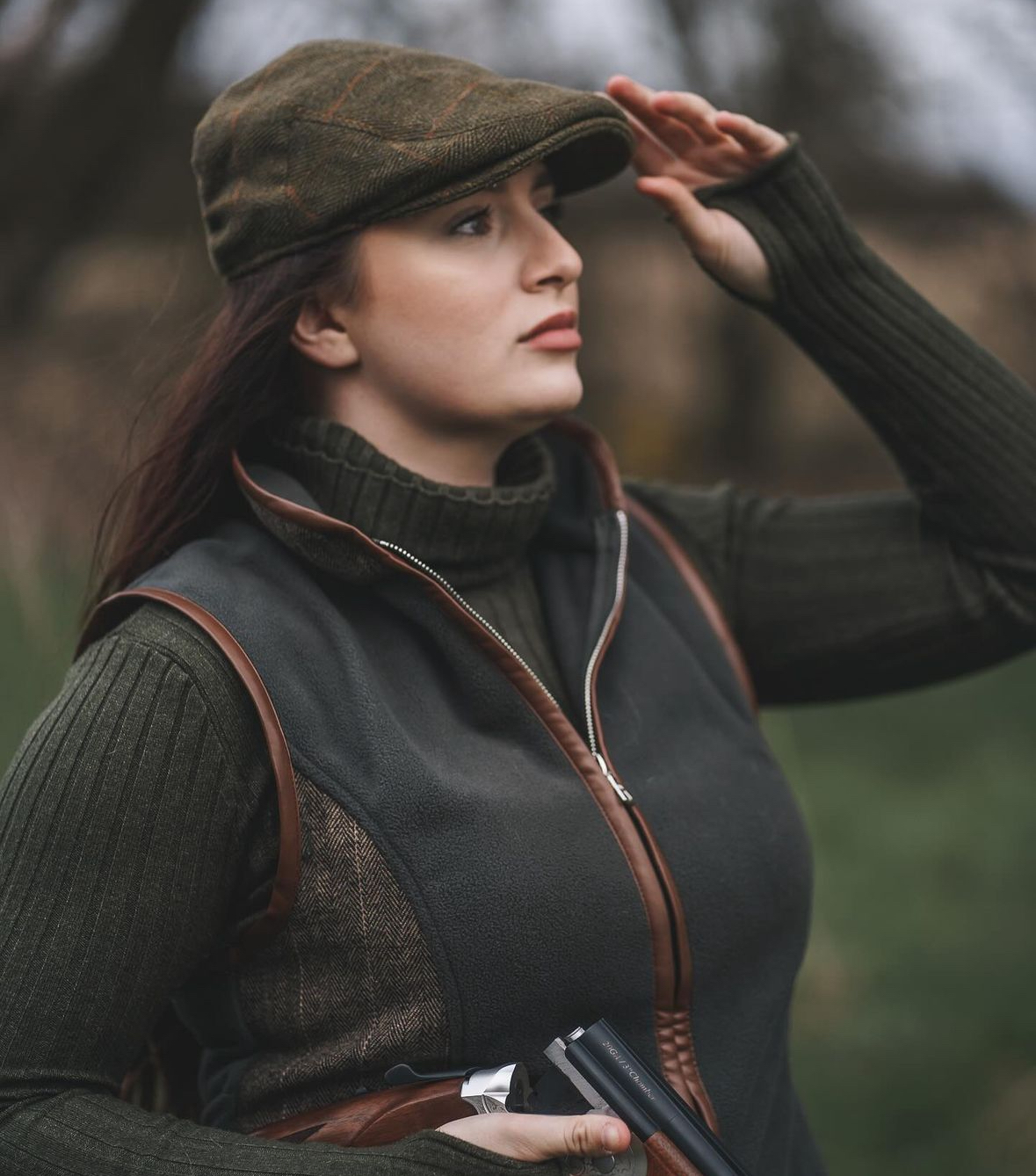
Harris Tweed stands as a paramount symbol of UK manufactured fabric,
distinguished not only by its iconic status but also by legal protections that mandate its production by hand by islanders in their Hebridean homes.
Known for its formidable durability, opulent texture, and the rich, natural hues derived from local tinting agents,
Harris Tweed is a mainstay in elite fashion, opulent interior design, and custom tailoring. This fabric embodies a synthesis of age-old tradition and unparalleled quality, a rarity in today’s textile industry.
Scottish Lace: A Legacy of Exquisite Artisanship
Scottish Lace is another esteemed textile emanating from the UK, celebrated for its elaborate designs and superior quality,
which are coveted in both the apparel and domestic adornment sectors.
Rooted historically in the town of Ayr, the production of Scottish lace demands scrupulous artisanal skill,
rendering it a prized material for draperies, bridal gowns, and other ornamental uses.
British Wool: Upholding a Rich Pastoral Tradition
The pastoral traditions of the UK have given rise to a spectrum of wool types, each marked by its own set of attributes.
British wool is acclaimed for its sturdiness and predominantly utilized in the fashioning of attire and carpets.
Wool sourced from particular breeds like the Bluefaced Leicester and Merino is especially treasured for its suppleness and sheen,
making it ideal for high-end garments and delicate yarns.
Silk Production: An Emblem of Refinement
While not as prevalent, the production of silk in the UK holds a significant, albeit niche, role.
Centered around locales such as Macclesfield, British silk is lauded for its exceptional quality and is principally employed in the creation of high-end clothing and accessories, such as neckties and scarves.
This sector prides itself on upholding lofty production standards,
frequently employing time-honored techniques handed down across generations.
Cotton Renaissance: Weaving the Future
The UK is experiencing a renaissance in cotton production,
particularly through initiatives like English Fine Cottons, which is revitalizing ancient cotton mills in Manchester.
This resurgence is focused on producing premium cotton yarns tailored for the luxury fashion market,
with an emphasis on sustainability and ethical production practices.
Textile Innovations: Pioneering Modern Applications
Beyond traditional fabrics, the UK stands at the vanguard of innovation in textiles.
Advances in technical textiles—specialized fabrics designed with unique properties like flame retardance or water repellence—are on the rise.
These materials find applications across a diverse array of sectors, including automotive, aerospace, and healthcare, showcasing the adaptability and breadth of the UK textile industry.
Sustainability in Textile Craftsmanship
The drive towards sustainability is increasingly pivotal in textile manufacturing.
Numerous British fabric producers are now focusing on minimizing their environmental footprint by adopting eco-friendly practices,
such as the utilization of organic resources, recycling of water and waste, and adherence to ethical labor standards.
This paradigm shift not only aids in environmental conservation but also resonates with a global audience that values sustainable practices.
Challenges and Prospects
Despite facing challenges like international competition and shifts in market dynamics,
the UK textile sector also encounters unique opportunities. Its rich legacy, acclaimed quality,
and continuous innovation afford it a competitive advantage. There is a burgeoning demand for bespoke,
high-quality products where the origin of materials is crucial to consumers.
Conclusion
The fabric production landscape in the UK remains dynamic and heterogeneous,
melding historical heritage with contemporary innovation. From Harris Tweed to avant-garde technical textiles,
the sector is a testament to the persistent expertise and resilience of British artisans.
Whilst the UK is not a world leader in both fabric or clothing manufacturing,
the UK still has a significant contribution to both high end and niche fashion brands in the fashion industry.